For years, we have treated customer success like a linear journey: onboard, adopt, renew, expand. It looks neat on slides and breaks down the moment reality shows up.
After working across SaaS, services, and enterprise environments, I learned a harder truth: customers do not become customers for life because nothing goes wrong. They stay because of how you show up when things do.
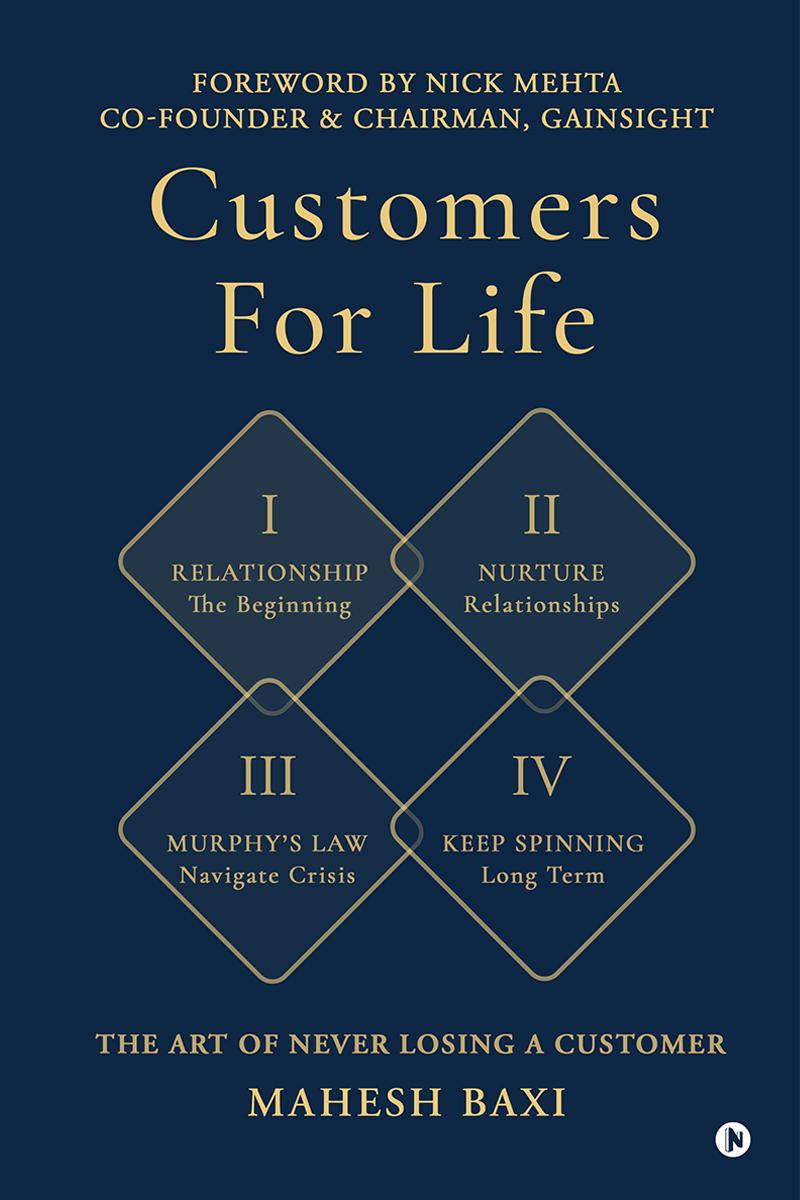
That insight led me to create the Customers For Life (CFL) framework: a practical, outcome-driven system for customer success as a relationship model, not a checklist.
1. Relationship: The Beginning
Every long-term customer relationship is decided early, often before value is fully realized.
- Hyper-care and adoption discipline
- Clear KPIs and governance
- Executive sponsorship
- Quick, visible wins that build confidence
Outcome: The customer believes they made the right decision.
2. Nurture the Relationship
Once the relationship stabilizes, complacency becomes the biggest risk.
- Usage and health signals
- Early warning systems
- Meaningful QBRs
- Continuous value reinforcement
Outcome: Value is visible, predictable, and defensible.
3. Riding Through Murphy's Law
This is the phase most frameworks ignore and where loyalty is truly earned.
- Code-red execution
- Executive-level accountability
- Clear communication under stress
- Letting actions speak louder than explanations
Outcome: The customer trusts you when it matters most.
4. Keep the Wheel Spinning
Long-term success cannot rely on heroics. At scale, it requires systems.
- Customer success automation
- Executive sponsor and customer connect programs
- Communities, CABs, and shared learning
- A relentless focus on long-term value
Outcome: Trust, value, and advocacy compound over time.
Why CFL Matters
The CFL framework is not about avoiding churn at all costs. It is about designing for reality: complexity, pressure, change, and growth.
- Renewals become earned, not negotiated
- Expansion feels natural, not forced
- Relationships survive stress and grow stronger because of it
In the end, customers for life are not created by perfection. They are created by clarity, ownership, and consistent execution over time.